
The smart home market has been experiencing notably high growth in recent years, as homeowners seek to make their living spaces more comfortable, efficient, and secure. Technology is constantly improving, making smart home devices more appealing and easier to install and use.
As more homeowners accept the idea of an integrated and holistic smart home experience, builders and smart device manufacturers have the opportunity to increase their value proposition by developing and marketing products that meet the evolving demand.
What is the Size of the Smart Home Automation Market?
Driven by technological advancements, the influence of artificial intelligence (AI), and the demand for enhance security, the smart home market is expected to have steady growth over the next few years. Based on data from Fortune Business Insights, the global smart home market size was approximately $147.52 billion in 2025. In 2025, North America dominated the smart home market with a share of 31.7%.
The Home Improvement Research Institute (HIRI) also provides research on the size of the home improvement products market in the U.S., which is updated regularly. HIRI members have access to this exclusive report, which examines building product spend across building product categories, customer type, and region within the home improvement market.
What are the Growth Projections for Smart Home Improvement Products?
The market is projected to grow from $180.12 billion in 2026 to $848.47 billion by 2034, with a project compound annual growth rate (CAGR) of 21.40% during the forecast period, according to research from Fortune Business Insights.
Additionally, HIRI's Project Decision Study for Mechanical and Systems includes data related to home automation projects that fall into the mid- to large-sized range ($5,000-plus), and HIRI’s Project Decision Study for Interior Finish provides key information about remodeling and renovations in indoors spaces, such as kitchen and bathrooms, that are most prone to incorporate smart home devices. This data can help decision-makers get a broad view of what's happening in the residential remodeling and renovation arena and identify key opportunities to pursue growth in the smart home automation market.
HIRI’s Quarterly Homeowner Project Activity Tracker for the first quarter of 2026 has also started surveying homeowners about their intentions to integrate smart home capabilities, which should help industry stakeholders be able to track developments in this market segment going forward. Based on data from Q1 2026, about 7% of homeowners were adding smart home capabilities as part of a home improvement project they had completed in the past 90 days.
What are the Latest Trends in Smart Home automation for Home Improvement?
The U.S. smart home automation market is evolving at a quick pace. While this growth provides opportunities, it has come with some occasional setbacks (for consumers, retailers and suppliers alike) along with way, which pose challenges for brands attempting to emerge in the space. Looking forward to 2026 and beyond, here are some of the trends in smart home automation and the product categories associated with these types of improvement activities:
1. Homeowners Seek Convenience, Energy Convenience and Enhanced Security from Smart Devices
Home automation systems enable homeowners and other household members to glean a range of benefits, such as strengthening security, increasing energy efficiency, and offering a convenience that is perceived to improve their lifestyle.
For example, homeowners can remotely control their devices through smartphones or voice commands, turning off and on lights, setting thermostats, monitoring security cameras, and utilizing appliances. This allows for enhanced security and comfort. Additionally, smart systems can monitor home conditions in real time, detecting potential issues before they become more severe and even proactively scheduling maintenance. In terms of home improvement benefits, these features can help homeowners prevent costly repairs and extend the lifespan of household systems.
Do Smart Home Products Impact Property Values?
Additionally, smart home products seem to have a positive impact on property values, especially well-integrated features that address tangible challenges. For example, smart home devices that increase security, improve efficiency, and reduce waste are perceived as specifically impactful when it comes to enhancing the value of a residential space.
Research shows that smart home features can improve property values by about 3% to 5%, but there are several variables to consider. Beyond those quantitative benefits, having smart home automation can also increase the marketability of a property, which is an added benefit to homeowners who make investments.
2. New Construction and Remodeling Contribute to Growth in the Smart Home Automation Market
Housing is in the early stages of a recovery. Based on finding's in HIRI's U.S. Size of the Home Improvement Products Market Report, housing starts totaled 1,358,000 in 2025, down 0.6% from 2024 (the lowest since 2019), but still higher than in any year from 2007 to 2019. Additionally, mortgages applications to purchase homes have improved in recent months.
Meanwhile, the remodeling market remains resilient, but not without caveats. While income is stabilizing, housing affordability concerns were on the rise in the first quarter of 2026, along with weak discretionary income and debt constrain flexibility, sustaining cautious sentiment about pursuing larger projects. However, there is opportunity for growth through both remodeling and new construction for manufacturers and suppliers in the smart home automation market, as contractors and home builders integrate enhance security systems, AI-driven automation, and other features to create connected, modern living spaces.
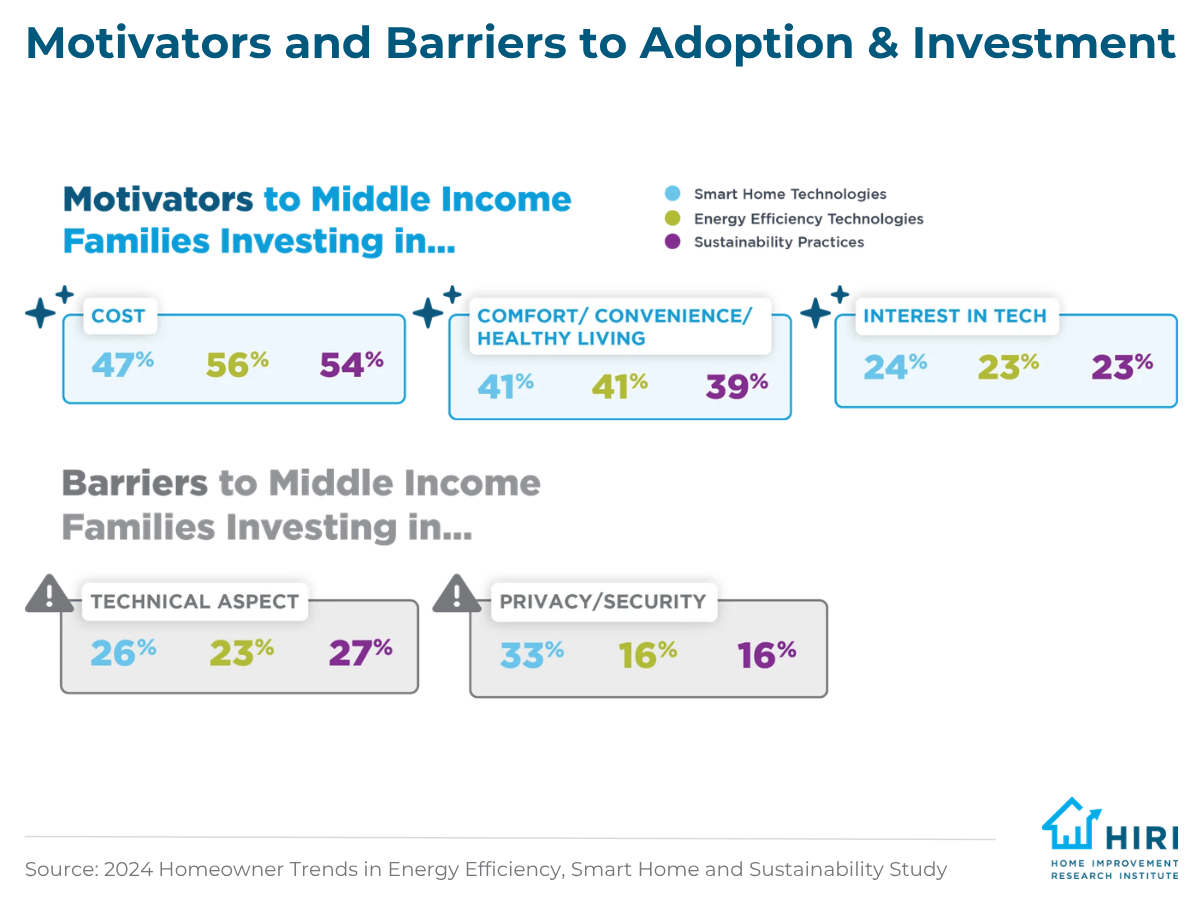
It is important to communicate the value of smart device upgrades and the benefits they provide (such as improving improve energy efficiency, decreasing utility costs, and enhancing the comfort and security of the home) to connect with homeowners who are primarily looking as cost-effective and necessary upgrades to their residential spaces.
Incorporating Smart Home Automation into Aging-in-Place Upgrades
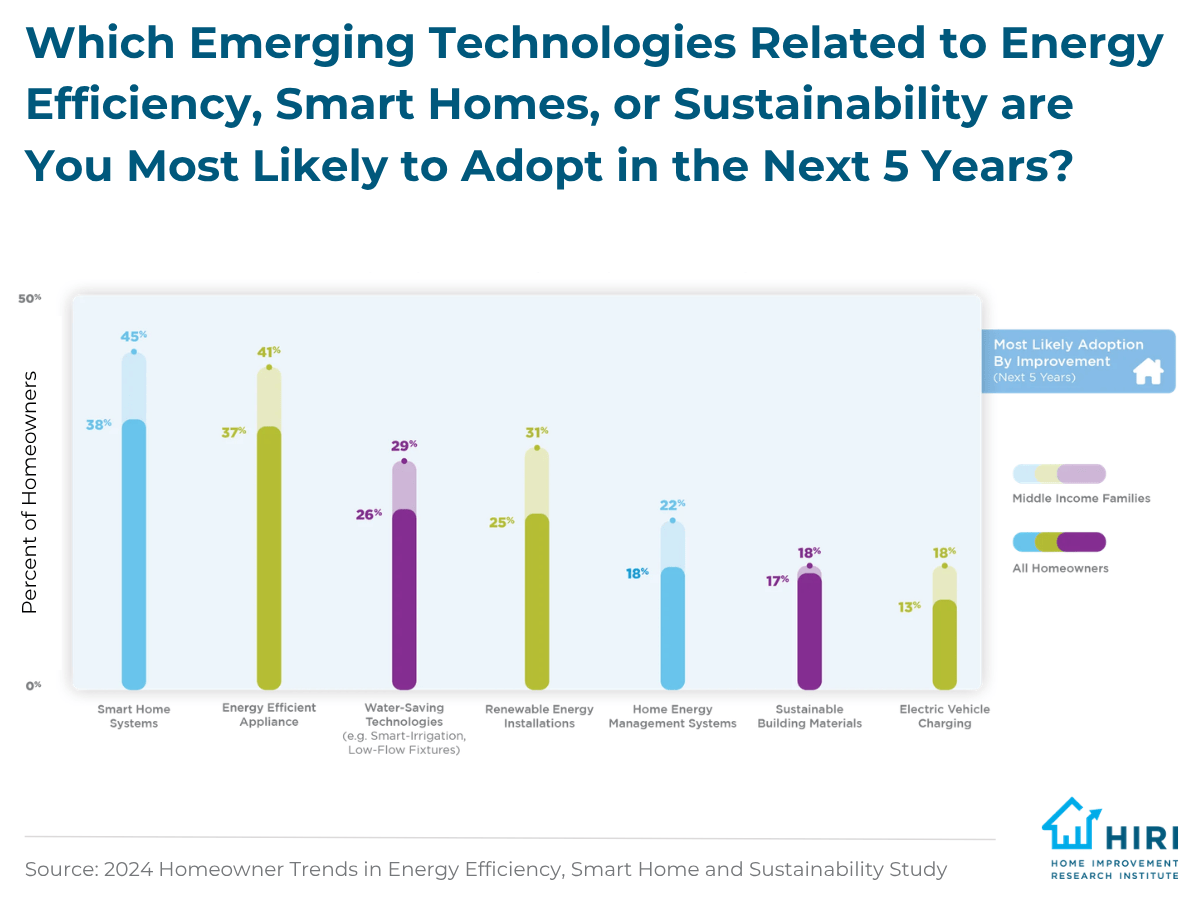
Smart home automation is also occasionally a part of aging-in-place upgrades. Although not as popular as bathroom modifications, physical safety features, and mobility and accessibility enhancements, installing smart and assistive tech was part of 6% of projects, according to data in HIRI’s 2025 Aging in Place Study. As these types of projects become more popular to accommodate aging populations, there may be increased demand for smart technology that supports older adults.

3. Awareness and Adoption of Smart Home Devices Varies Across Generations
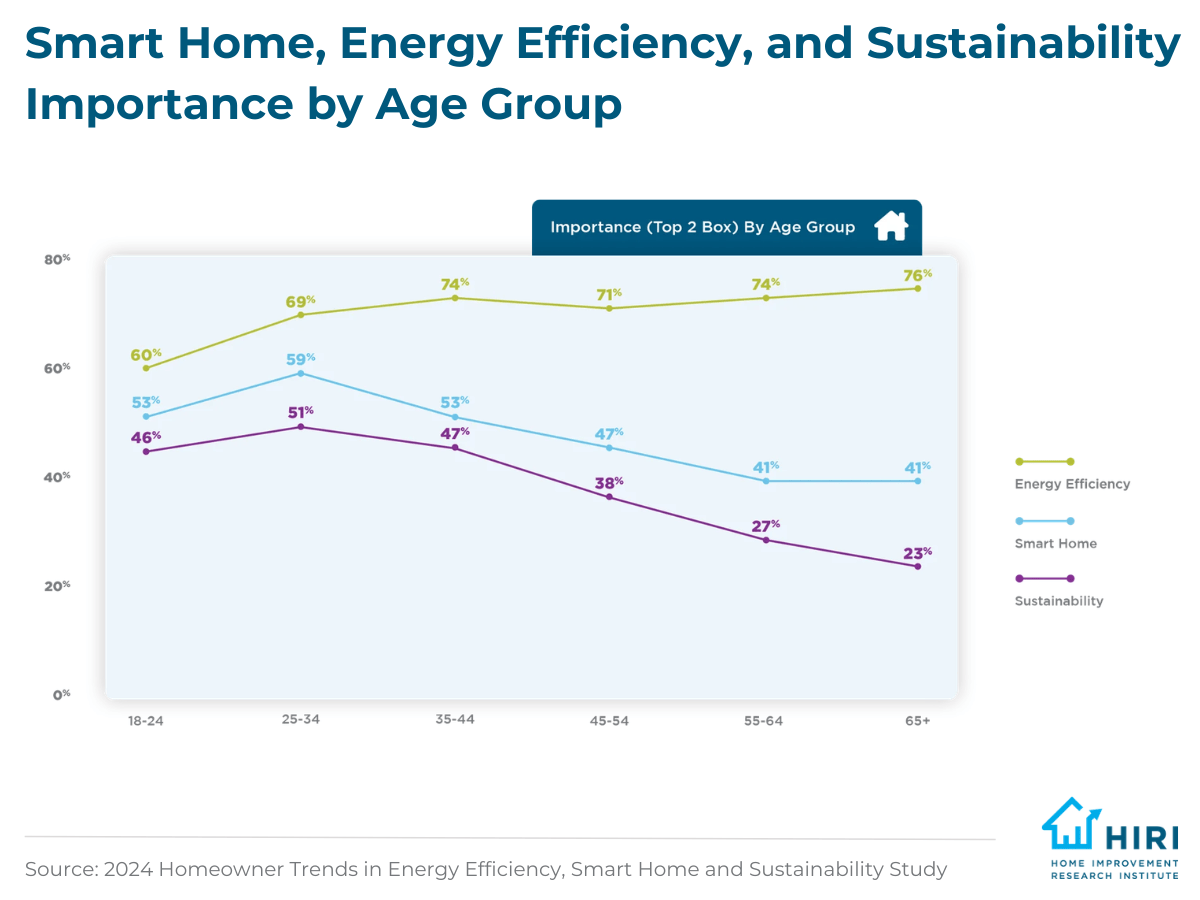
Based on findings in HIRI’s 2024 Homeowner Trends in Energy Efficiency, Smart Home and Sustainability Study, familiarity with smart home concepts is highest among those in the 25- to 34-year-old age range and then drops off considerably among homeowners who are 55-plus. Perhaps because of this, and other factors, older homeowners are 38% more likely on average than younger segments to recommend that manufacturers and retailers provide comprehensive product benefit information to support the adoption of smart home technologies. Meanwhile, the importance of smart home automation is factored into home improvement decision-making by:
- 49% of Millennials/Gen Z (25 to 44)
- 38% of Gen X (45 to 54)
- 27% of Gen X/Boomers (55 to 64)
- 23% of Boomers/Silent Generation (65+)
4. Challenges to the Market Include Compatibility and Slow Internet Speeds
The deployment of smart home devices and systems into homes has not come without challenges for manufacturers, suppliers, homeowners, and other stakeholders. For example, some of these challenges include:
- High smart product return rates, due to incompatibility with other devices or brands
- Slow internet speeds hampering customer perceptions of the product
- Loss of device connectivity interfering with customer experience
Additionally, there has been an increase in cyberattacks of high-end technology that connects to home systems and devices. Based on findings in the 2025 IoT Security Landscape Report, released jointly by Bitdefender and NETGEAR, the average household now contains 22 connected devices, which are subject to almost 29 attacks each day, almost triple the rate recorded last year. Addressing this obstacle is important to uninhibited market expansion.
5. Small Smart Home Projects Have High Potential for DIY
When deciding whether DIY or hiring a contractor is better for smart home upgrades, homeowners have several factors to consider including budget, skill level, and the difficulty of installation. There are several small-scale projects that DIY homeowners can accomplish on their own, especially since smart home brands have made strides in the ease of installation. However, there are sometimes highly technical aspects to installing smart home products and, more importantly, getting them to connect seamlessly with other existing devices in the home through a central controller system.
Increasing Market Share and Customer Satisfaction in the Home Automation Market
Looking ahead, what can home improvement product manufacturers do to increase market adoption of existing and new to market smart home products? Many of the most valuable features of smart home devices are those that help make homeowners' lives quicker, easier or more efficient. Position around that. Further, if you can integrate a sensor into your product that alerts a homeowner of maintenance needs, or of urgent issues, you will improve customers' quality of life and sense of control over their environment.
What Do Homeowners Expect from the Smart Home Automation Market?
Consumers who are shopping for smart devices for their homes are not only shopping through a lens of improving their quality of life, though. In certain product categories, smart home devices have quickly become an aid for the resale value of the home. This will matter increasingly during shifts from a sellers’ to buyers’ markets and during a cooler housing market in general.
Looking ahead to the future, a holistic smart home experience free of clashing technology platforms is something younger, more internet-savvy and connected generations are signaling appreciation for as they move into home-buying years. Partnering with developers and other smart device manufacturers to create an integrated experience is one strategy for helping your brand become synonymous with the new era of smart homes.

What are the Most Popular Smart Devices for Homes?
We've gathered some examples of smart home devices rising in popularity around the globe. Read on to discover what features make these products so attractive to homeowners and to understand the target market for each.
1. Smart products for comfort and livability
Homeowners are frequently pursuing upgrades that will make their indoor spaces more comfortable, while supporting convenience in their day-to-day life. As a result, there is strong demand for products that augment the overall livability of the home, and the satisfaction that residents can derive from it. Some of the most popular smart home automation markets to fulfill this purpose include:
-
Smart lighting
-
Smart thermostats
-
Motorized smart blinds and shades
Through automation and/or remote control, homeowners can complete simple everyday tasks, from lowering the blinds to turning on lights and setting the right temperature, whether they're home or away. They also can set up daily schedules, freeing up their mental space while ensuring their home is optimized for comfort and convenience.
2. Safety devices
Homeowners and contractors also have identified the potential for smart home products to make buildings more secure and safe for residents. Products that are desired for this purpose include:
-
Cameras
-
Sensors
-
Smart locks
-
Other security devices
These items can help homeowners create a more peaceful and safer environment by enhancing intelligent security, providing remote monitoring, and offering tamper detection. Additionally, they are often paired with other devices or integrated into a home's existing smart network for a more seamless and convenient living experience.
3. Smart entertainment devices
Smart entertainment devices capture one of the greatest market shares in the home automation industry, according to Fortune Business Insights. This segment is projected to capture a share of roughly 29% of the market in 2026. This includes products such as:
- Smart TVs
- Smart speakers and voice assistants
- Streaming devices
- Virtual reality (VR) and augmented reality (AR) systems
These smart devices are used to enhance the home environment, giving household members the ability to access a variety of entertainment in an easy, convenient manner and improving day-to-day life.
4. Voice-assist products
Voice controlled kitchen appliances are no longer a concept. Technology and kitchen appliance brands are now releasing products with voice-control capabilities in order to make the cooking experience more convenient for those who spend a lot of time in the kitchen. The appeal of connected homes for consumers is that they're able to streamline and organize day-to-day household management tasks and routines. Between work, raising children, social lives, and/or maintaining personal health and hobbies, consumers are increasingly turning to brands that help make their daily activities feel more manageable.
5. Pre-programmed task accomplishment technologies
There are many kitchen appliances such as air fryers and other smart cookers that assist consumers in preparing meals quickly and from the comfort of their homes. Such appliances work with a series of pre-programmed settings that enable users to plan meals in advance, set reminders and quickly prepare a range of recipes. Consumers (especially younger generations) rely on technology for many day-to-day tasks, including household chores and cooking. They value convenience, efficiency and ease of use—all of which modern, tech enabled smart kitchen appliances provide. Features such as automation, remote (smartphone) control and anything that makes life and tasks easier, all help to cater to the needs of this busy, modern-day consumer.
6. AI companions and guides
As the concept of the smart home expands and voice-control becomes a common feature of products, kid-friendly features enter the user interface of AI home assistants. These features can engage, entertain and monitor children, thereby alleviating some parental stress.
Being part of a digital-savvy generation, Millennials are most likely to invite technology to play a formative part in their child's life. The integration of these features into the home allows for the parental aids to be omnipresent and close by when needed, adding a layer of convenience and security. In turn, this soothes the stress some might experience when they attempt to juggle life's tasks, from going to work and doing chores to cooking meals for their kids and keeping up with the news.
7. Pet assistants
Smart home pet doors are sold as aftermarket units that can be used with an existing pet door for one or more pets. They will automatically track how often a dog is going out and coming in, while also allowing owners to set curfew times. Owners can lock and unlock the unit remotely via their smartphone. Primarily taking off in North American markets, smart home pet doors show equal adoption among male and female consumers.
Gaining Deeper Insights into the Smart Home Automation Market
Staying up to speed in a fast-moving market like smart home automation requires robust, up to date data and insights to help manufacturers and other home improvement industry stakeholders make informed business decisions. The Home Improvement Research Institute (HIRI) offers members instant access to an abundance of existing research, as well as new reports as they become available, so that brands can stay on top of important trends and developments in their specific markets.

FAQs:
What are the most popular smart devices for home improvement?
The most popular smart devices for improvement are those offer immersive entertainment, enhance security, and improve energy efficiency. Some of the product categories that are most frequently installed during improvement projects include smart security and monitoring devices, smart home hubs, smart thermostats and lighting, and smart appliances. The Home Improvement Research Institute (HIRI) provides research into project types and product categories to help brands discover the trending behaviors, preferences, and attitudes of homeowners and industry professionals.
How is smart home technology changing home renovation projects?
The integration of home automation is becoming increasingly popular, and it plays a significant role in various home renovations and remodels in 2026. Home renovations can now leverage AI and automation to adjust lighting, heating, and security systems. Property owners are also considering advanced smart security systems, smart energy optimization devices, and smart systems that support the health and well-being of inhabitants. These renovations can increase the comfort and livability of residential spaces, while also improving property values and marketability. The Home Improvement Research Institute (HIRI) shares data pertaining to the smart home automation market in its Quarterly Homeowner Project Activity Tracker, 2024 Homeowner Trends in Energy Efficiency, Smart Home and Sustainability Study, and other reports.
What are the growth projections for smart home improvement products?
The market for smart home improvement products is expected to have significant growth over the next several years, with new technologies frequently emerging to enhance security, energy efficiency, and comfortability for homeowners. The Home Improvement Research Institute’s Quarterly Homeowner Project Activity Tracker is now surveying homeowners about their intentions to integrate smart home capabilities, as of the first quarter of 2026. The data in this report should be able to help industry stakeholders track homeowners’ intentions and behaviors in this market segment going forward, so they can develop their go-to-market strategies accordingly.
How Do Smart Home Trends Differ Across Age Groups?
Smart home awareness and adoption vary across different age groups, with Millennials and Gen Z homeowners (those in the 25- to 34-year-old age range) having the greatest familiarity with smart home concepts and products. They also place a greater value on smart home automation, based on findings in the Home Improvement Research Institute’s 2024 Homeowner Trends in Energy Efficiency, Smart Home and Sustainability Study. Familiarity with smart home concepts, along with how much weight they carry in home improvement decision-making, drops off notably with each older generation.