
How data-backed PLRs create better outcomes for retailers and suppliers
Retail expectations for Product Line Reviews have changed. Learn how data-backed PLRs support better decisions across assortment, pricing, and inventory in this blog post by Datavations.
PLRs Are About Creating Wins — For You and the Retailer
Product Line Reviews (PLRs) were once largely transactional. Success was defined by defending shelf space, introducing new SKUs, or securing pricing and promotional approvals. Conversations often centered on what the supplier wanted, with less focus on what the retailer needed to decide. In many cases, PLRs became exercises in justification rather than insight, and momentum between meetings was limited until the next review cycle arrived.
That dynamic has changed. Today, PLRs are no longer boxes to check. They are opportunities to strengthen relationships and drive shared success. Retailers are balancing tighter margins, shrinking merchant bandwidth, and faster decision cycles across multiple categories. The question has shifted from what do you want to sell to how does this help the category perform better.
The most effective PLRs today create mutual wins by:
-
Identifying clear growth opportunities
-
Reducing merchant risk
-
Enabling actionable decisions tied to reliable data
As a result, clear, accurate, and actionable data has become the defining factor in modern line reviews. Yet gathering that data is not always easy. HIRI has noted that while “the right data can help make good marketing decisions,” obtaining it has become increasingly difficult across the home improvement industry. (HIRI) As expectations rise and timelines compress, retailers need inputs they can trust and suppliers are being held to a higher standard.
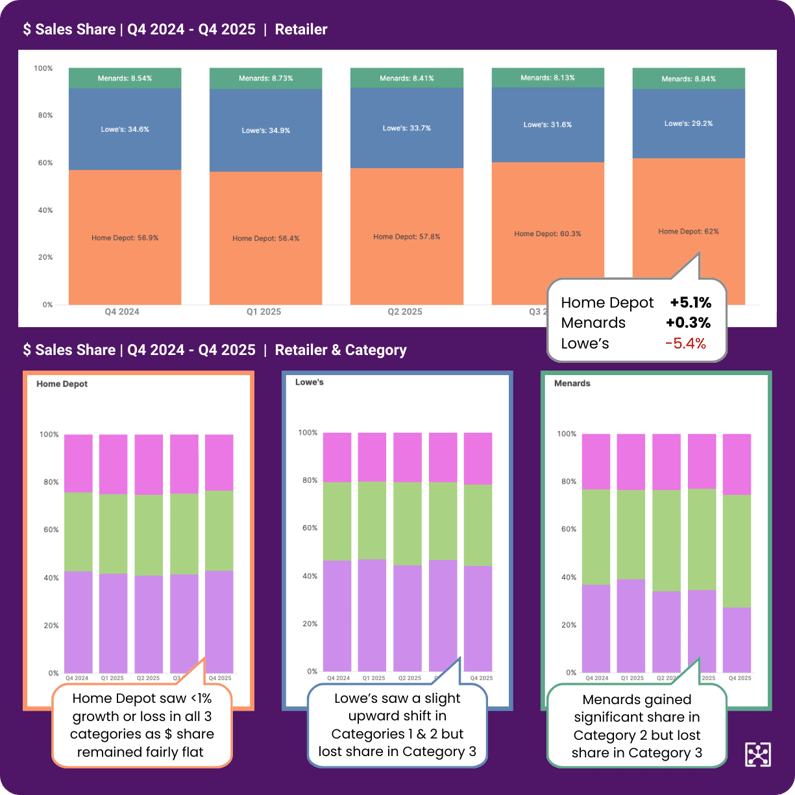
Figure 1: Illustrative category performance trends highlight why PLRs now require retailer-specific context, not static summaries
Why Data is Now the Currency of PLRs
These heightened expectations reflect the environment retailers operate in today. Amid an AI boom and constant information overload, decisions are expected to be faster, better informed, and more profitable — often with less time to prepare. Merchants face sustained pressure to deliver accurate information, meaningful context, and confident recommendations, even as data sources become more complex.
Retail expectations around PLRs have fundamentally changed accordingly. Decisions now carry higher financial and operational stakes, with far less tolerance for uncertainty. Merchants are no longer looking for persuasive narratives or broad market anecdotes; they need insights they can trust to support real decisions. The risk of poor visibility is not theoretical. HIRI research shows that billions of dollars in annual spend are wasted due to data transparency issues, underscoring what happens when decisions lack a standardized, trustworthy view of performance. In a PLR context, that lack of clarity increases risk across assortment, pricing, promotion, and inventory decisions.
As PLRs increasingly influence resets, pricing strategy, promotional investment, and inventory allocation, the cost of getting those decisions wrong has risen. Merchants now expect retailer-specific performance context, competitive benchmarking, and macroeconomic signals translated into clear, SKU-level actions. Additionally, data has become essential for internal alignment. PLR recommendations extend beyond the meeting and must be carried forward to finance, pricing, supply chain, and senior leadership teams. When insights are grounded in transparent, defensible data, merchants can move forward with confidence.
The Framework Every Strong PLR Needs: What, Why and What Next?
Modern PLRs rely on a simple framework that moves merchants from uncertainty to action by answering these questions: What is happening? Why is it happening? And what should be done next?
The What: Foundational Category & Supplier Performance
Strong PLRs begin by establishing context. Merchants need to understand whether a category is growing or declining, how a retailer is performing relative to competitors, and which manufacturers are gaining or losing share. This shared view creates early credibility and anchors the rest of the discussion.
The Whys: Understanding the Drivers Behind Performance
Once context is established, retailers want clarity on what is driving results. This includes an honest assessment of Assortment Health, Pricing Alignment, Promotional Effectiveness, and Inventory Availability. Together, these perspectives help merchants understand which levers influence performance and where adjustments may have the greatest impact.
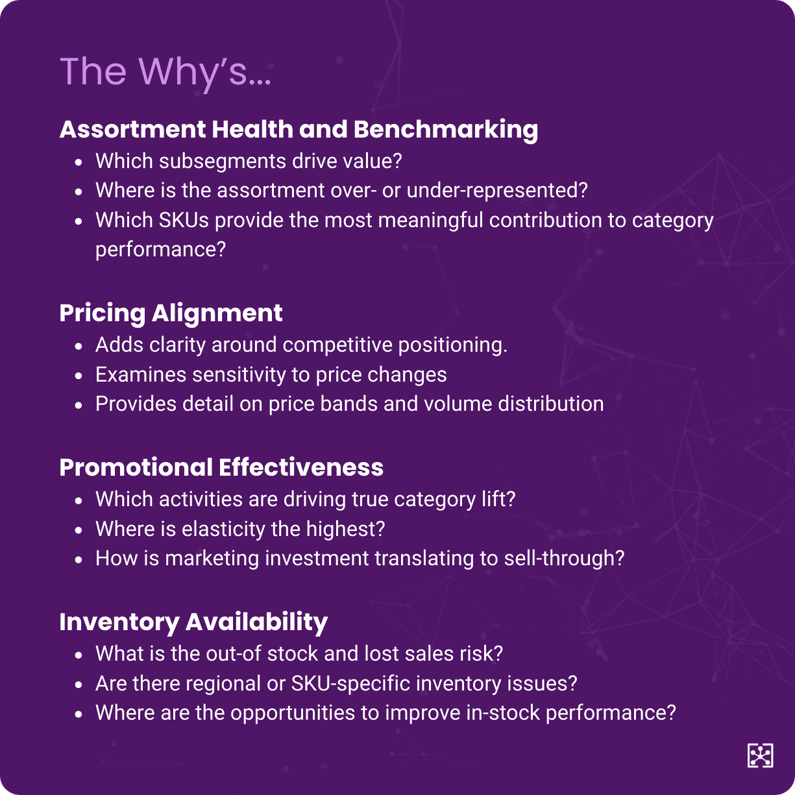
Figure 2: Key performance drivers evaluated in modern Product Line Reviews.
What’s Next: From Insight to Action
The final step is translating insight into decisions. After diagnosing performance drivers, retailers want clear guidance on recommended actions, tradeoffs, and the opportunity cost of inaction. Effective PLRs connect data directly to retailer outcomes and enable confident, aligned decision-making.

Figure 3: Translating insight into retailer-ready decisions is the final step of a strong PLR.
Conclusion
Today’s most effective PLRs are not defined by how much data is presented, but by how clearly it supports better decisions. Retailers are looking for partners who understand their priorities, respect their constraints, and bring perspectives that elevate the whole category — not just individual products. As a result, the role of the supplier has shifted from presenter to collaborator.
Category leaders no longer approach PLRs as routine meetings. They see them as moments of influence — opportunities to build trust, strengthen relationships, and shape long-term outcomes through clarity and transparency.
For teams preparing for upcoming PLRs, understanding how data can be structured to support these conversations is increasingly critical. Datavations’ upcoming webinar on February 10th at 2:00 PM EST will explore what data-backed PLRs look like in practice and share a practical checklist to help teams prepare more effectively. >> Register today!
This article Provided by HIRI's Strategic Partner, Datavations.